Highlights
SS304 vs SS316L Stainless Steel Pipes: Understanding the Differences
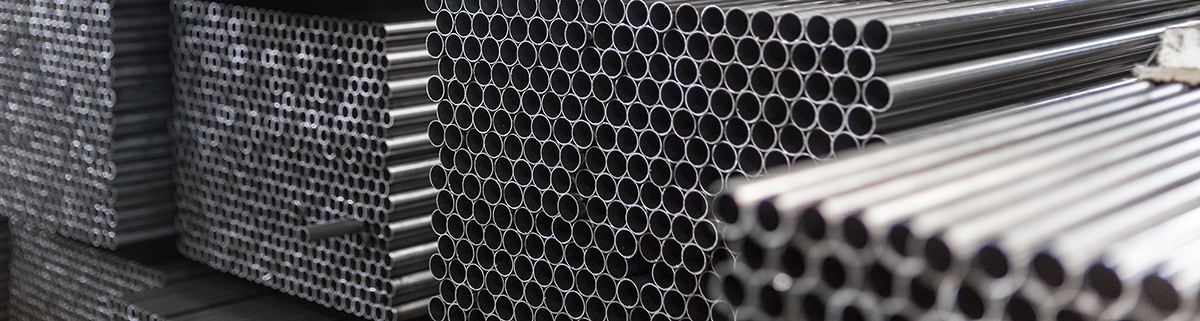
Choosing the Right Stainless Steel Grade for Durability, Corrosion Resistance and Performance
Stainless steel pipes are widely used in plumbing, water supply and industrial applications due to their strength, durability and resistance to corrosion. Among the most commonly used grades, SS304 and SS316L offer dependable performance, although their suitability varies according to environmental conditions and application requirements.
Norika offers a range of SS304 and SS316 stainless steel pipes, designed for use with press-fit plumbing systems. Understanding the differences between these two grades can help contractors, engineers and specifiers select an appropriate piping solution for their projects.
Stainless Steel 304 vs 316L: What Is the Difference?
Both SS304 and SS316L are austenitic stainless steel grades containing chromium and nickel, which contribute to their corrosion resistance and mechanical properties. The main distinction lies in their chemical composition, particularly the addition of molybdenum in SS316L.
SS304 Stainless Steel
SS304 provides good corrosion resistance, strength and durability under normal operating conditions. It is commonly used in residential and commercial plumbing, water distribution systems and general industrial applications.
For environments with relatively low exposure to chlorides and aggressive chemicals, SS304 offers a practical balance of performance and cost-effectiveness.
SS316L Stainless Steel
SS316L contains approximately 2–3% molybdenum, which improves its resistance to localised corrosion, particularly pitting and crevice corrosion caused by chloride exposure.
This makes SS316L particularly suitable for more demanding environments, including marine installations, coastal facilities and certain chemical-processing applications.
The ‘L’ designation indicates a lower carbon content, which also reduces the risk of intergranular corrosion associated with welding.
How Carbon Content Affects Corrosion Resistance
Carbon content plays an important role in the corrosion behaviour of stainless steel, particularly when the material is exposed to elevated temperatures during welding. Under certain conditions, heating stainless steel can cause chromium carbides to form along its grain boundaries. This reduces the chromium available in the surrounding areas and may increase susceptibility to intergranular corrosion.
SS316L has a maximum carbon content of 0.03%, compared with 0.08% for standard SS316 and SS304 grades. This lower carbon content reduces the risk of sensitisation during welding, helping to preserve corrosion resistance in the heat-affected areas.
However, corrosion resistance also depends on other factors, including the surrounding environment, chemical exposure, temperature and installation conditions.
Weldability and Installation Considerations
Both SS304 and SS316L offer good weldability and are widely used in fabricated piping systems.
The lower carbon content of SS316L reduces the risk of chromium carbide precipitation during welding, particularly in the heat-affected zone (HAZ), where sensitisation can increase susceptibility to intergranular corrosion. Nevertheless, appropriate heat input, filler material selection and welding procedures remain important to the long-term performance of the piping system.
For projects using press-fit connections, Norika’s stainless steel pipes are designed for compatibility with its nPressGuard® Press-Fit System, providing an alternative to conventional welded joints. Press-fit connections allow pipes and fittings to be joined mechanically without on-site welding, supporting more efficient installation while eliminating the need for hot works during jointing.
Norika Stainless Steel Pipes: Designed for Practical Installation
Beyond material performance, Norika’s SS304 and SS316 stainless steel pipes stainless steel pipes incorporate practical features that support installation efficiency and handling on-site. The pipes are available in standard 5.8-metre lengths, with insertion-depth markings at both ends to guide proper positioning when connecting compatible press-fit fittings.
A centre marking identifies the halfway point of the 5.8-metre pipe, while shorter 2.9-metre pipe lengths are also available to accommodate different project requirements, simplify handling and reduce cutting work on-site. Norika’s stainless steel pipes feature a polished surface finish and are offered in a range of sizes to suit various plumbing and water distribution applications.
The range is also assessed against relevant product standards, including BS EN 10312 for stainless steel tubes and AS/NZS 4020 for products intended to come into contact with drinking water, as specified in the applicable product documentation.
Choosing Between SS304 and SS316L Stainless Steel Pipes
Selecting the appropriate stainless steel grade depends on the intended application, operating conditions and level of corrosion exposure. For general plumbing and water distribution systems in less aggressive environments, SS304 can provide a cost-effective and durable solution.
Where pipes are exposed to higher chloride concentrations, marine conditions or certain chemical environments, SS316L offers enhanced corrosion resistance and may provide greater long-term value. Neither grade is completely immune to corrosion, and the suitability of each should be evaluated against the project’s specific environmental and technical requirements.
By understanding their respective properties, contractors and specifiers can make more informed material selections that balance durability, installation requirements and overall project cost.
Explore Norika’s Stainless Steel Pipe Range
View Norika’s SS304 and SS316L stainless steel pipes, including available sizes, product specifications and technical documentation.